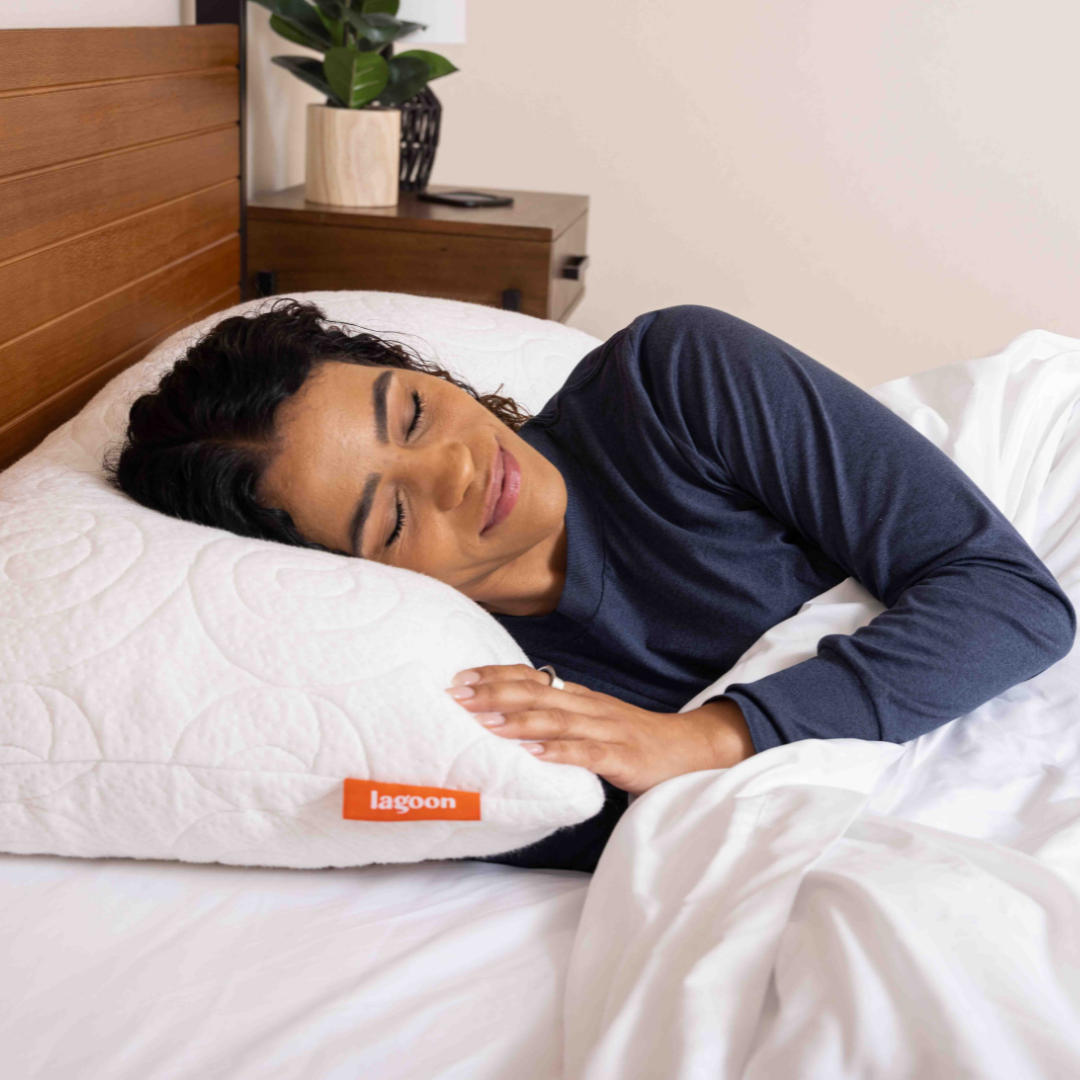



Most people assume rest days automatically equal better sleep.
No workout means less fatigue means more recovery. Right?
But if you’ve ever had trouble falling asleep or felt oddly restless on a day off, you’re not imagining it. For many high performers - runners, lifters, busy professionals - rest days are some of the worst nights of sleep.
That paradox isn’t a failure of recovery, it’s mora a failure of signaling to your body and mind.
The rest day sleep paradox
Hard training days create powerful physiological signals:
- Elevated adenosine (sleep pressure)
- Clear circadian cues
- A nervous system that earns down-regulation
Rest days remove physical stress, but they often don’t replace it with structure. Instead, a few subtle changes creep in:
- Less total movement
- More sitting and screen time
- Slightly higher sugar or late-night snacking
- Looser morning and evening routines
- High cognitive stimulation with low physical output
Individually, none of these are problematic. Together, they keep the nervous system slightly elevated. The result is longer sleep latency, lighter sleep, and waking up less restored than expected.
Your body doesn’t just need rest - it needs signals
Sleep is not triggered by the absence of stress. It’s triggered by the presence of the right signals.
Research consistently shows that sleep onset and depth are influenced by:
- Circadian rhythm timing
- Light exposure patterns
- Autonomic nervous system balance
- Behavioral consistency from day to day
For example, regular morning light exposure helps anchor circadian rhythms and improves nighttime melatonin release, even on days without exercise (NIH).
Likewise, low-intensity movement during the day improves sleep quality by supporting autonomic balance, even when strenuous exercise is absent (Nature).
Hard workouts deliver these signals automatically. Rest days don’t necessarily.
That’s why rest days require intentional structure.
Treat rest days like low-output structure days
The solution isn’t to add intensity back in. It’s to preserve the rhythm.
Think of rest days as low-output structure days, not days where you completely fall off.
That means:
1. Anchor your morning with light
Get outside early, ideally within the first hour of waking. Natural light is one of the strongest drivers of circadian alignment and nighttime sleep quality.
2. Keep gentle movement in the day
Walking, mobility work, or light stretching all count. These activities lower nervous system tone without reintroducing training stress.
3. Keep meals boring and predictable
Erratic meal timing and higher evening sugar intake can impair sleep onset and increase nighttime awakenings (Frontiers in Nutrition).
4. Protect your wind-down routine
Rest days often invite extra screens, late nights, or “just this once” behavior. Consistency matters more on these days, not less.
Why structure improves sleep latency and depth
When physical stress is removed without replacement structure, the sympathetic nervous system stays mildly activated. That state is subtle - but enough to:
- Delay melatonin onset
- Increase sleep fragmentation
- Reduce perceived recovery
Maintaining rhythm gives your nervous system permission to downshift.
Studies on behavioral regularity show that consistent daily routines are associated with faster sleep onset and improved sleep efficiency, even when total sleep time remains unchanged (NIH).
In other words: your body sleeps best when it knows what’s coming next.
The multiplying effect of well-executed rest days
When rest days are structured properly, something interesting happens.
They stop feeling like dead space between workouts. Instead, they:
- Improve sleep depth
- Shorten sleep latency
- Enhance next-day readiness
- Increase the payoff from hard training days
Recovery isn’t passive, it’s directional and intentional. If you do recovery days right, you improve your sleep your recovery and your signal.
A final reframe
This year, don’t just look forward to a day off.
Treat your rest days as an opportunity to feed your body and mind the signals they need to truly recover. The workouts build fitness. The rest days determine whether that fitness sticks.
If you want help dialing in sleep that actually supports performance, start by understanding what your body needs at night.
You can take Lagoon’s quick sleep quiz to find the pillow and sleep setup that best supports your recovery, alignment, and nightly downshift.
Because better sleep doesn’t happen by accident - even on rest days.